
Endowed Scholars
The Endowed Scholars program supports recruitment and retention of promising young faculty through an internal nomination and selection process. Candidates are chosen based on evidence of outstanding potential and productivity, as well as a commitment to the field of rare disease research in areas of scientific discovery, clinical applications, research ethics and public policy.
-
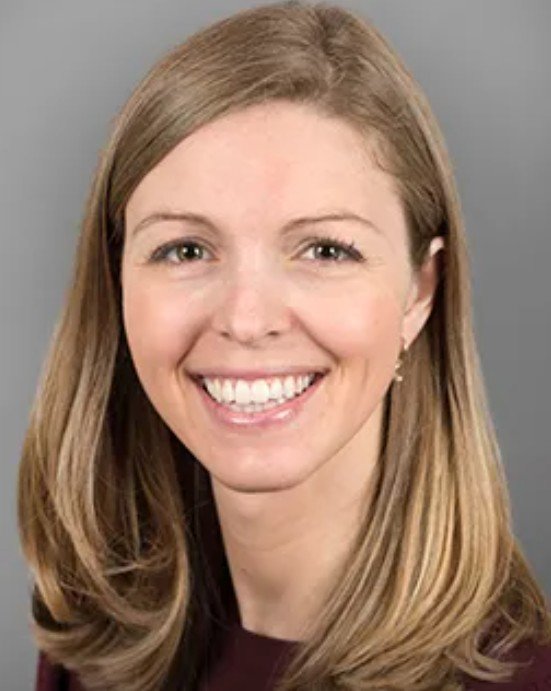
Leslie Hayes, MD
Neurologist, Department of Neurology
Instructor of Neurology, Harvard Medical School
Manton Center Endowed Scholar: Congenital Muscle Disease
Dr. Hayes has conducted clinically-oriented investigations using existing data from Dr. Alan Beggs Lab’s congenital myopathy database. Examples include expanding the phenotype of DMN2 centronuclear myopathy, describing the cardiomyopathy associated with ACTA1 congenital myopathy, and validating a new inheritance pattern in TNNT1 congenital myopathy.
Dr. Hayes has also worked to start a natural history study of patients with Nemaline myopathy, as well as a pilot clinical trial of TUDCA in SELENON congenital myopathy and a prospective study of genetic sequencing in infants with hypotonia as part of the International Precision Child Health Partnership (IPCHIP). Dr. Hayes also serves as the principal investigator (PI) for multiple industry sponsored investigational clinical trials, and is considered a growing expert in gene therapy and its clinical applications for neuromuscular diseases.
-
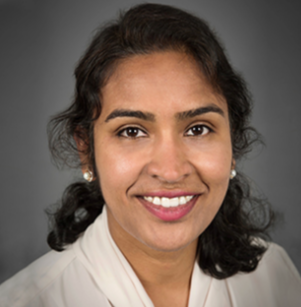
Sangita Choudhury, PhD
Staff Scientist, Walsh Laboratory
Instructor of Pediatrics, Harvard Medical School
Manton Center Endowed Scholar: Genomics and the Human Heart
The Choudhury Lab investigates the role of somatic mutations and the underlying molecular mechanisms of aging, disease progression, and regeneration of the heart. Their research is at the intersection of cardiology, genomics, and translational medicine. Specifically, Dr. Choudhury’s lab has been working on uncovering cell type–specific DNA methylation patterns in the human heart, aiming to understand how epigenetic dysregulation contributes to congenital heart disease.
Dr. Choudhury’s focus on somatic mutations studies the rate, causes, and consequences of somatic mutations in the human heart and across the body. To do so, her lab utilizes a variety of cutting-edge single-cell genomic and bioinformatic techniques to unveil the role of somatic variants in human development, aging, and disease. Lastly, her team also applies whole genomic and transcriptomic approaches, combined with functional studies, to identify the molecular mechanisms underlying disease progression and regeneration in the heart.
-
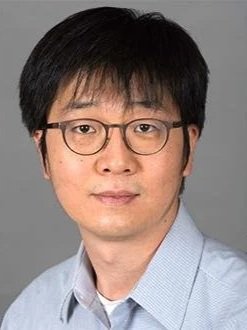
Dongwon Lee, PhD
Research Associate, Nephrology Research
Assistant Professor of Pediatrics, Harvard Medical School
Manton Center Endowed Scholar: Transcriptional Regulatory Maps for Nephrotic Syndrome
Nephrotic syndrome (NS) is a rare kidney disease caused by damage to glomeruli, microstructures that filter the blood in the kidney. Among many different factors that can induce damage to the glomeruli, genetic factors play an essential role in the development and progression of NS. To date, more than 50 genes have been identified to cause NS when mutated. However, more than two-thirds of NS patients do not have a known mutation in any of these NS genes and, thus, remain unsolved. Our primary hypothesis is that genetic variants altering the abundance and/or balance of gene transcripts can be alternative risk factors for NS. Empowered by single-cell genomics and machine-learning technology, we aim to identify functional regulatory variants that can change gene expression in kidney cells. We will then evaluate their impacts on the development of NS using large NS cohorts. The underlying genetic and molecular mechanisms for NS uncovered in this research proposal will ultimately help us to identify genes and pathways for the development of targeted therapies.
-
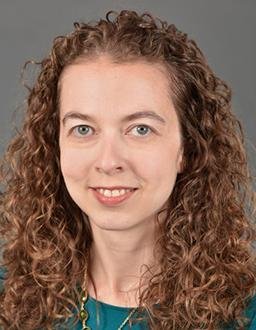
Anne O’Donnell-Luria, MD, PhD
Attending Physician, Division of Genetics and Genomics
Associate Professor of Pediatrics, Harvard Medical School
Manton Center Endowed Scholar: Incomplete Penetrance in Mendelian Disease
Sequencing of genomes and exomes has far outpaced our ability to interpret the functional and clinical impact of human genetic variation. To date, we have discovered hundreds of millions of genetic variants in humans; however, the clinical significance of the vast majority of these variants is unknown. The lack of penetrance estimates of putative pathogenic variants associated with genetic disease is a major challenge when counseling affected families, estimating disease prediction in currently healthy individuals, and prenatal screening. Understanding the extent and biological mechanisms of variable penetrance is crucial for variant interpretation and has the potential to dramatically improve disease risk prediction for a wide range of severe genetic diseases. We are investigating the underlying biological mechanisms of incomplete penetrance by large-scale analysis of the world’s largest dataset: the Genome Aggregation Database (gnomAD). The gnomAD dataset is depleted of individuals with severe pediatric disorders, still, there are observations of individuals with early-onset, highly penetrant pathogenic variants for dominant disease in this dataset, making gnomAD a valuable resource for investigating penetrance mechanisms. By investigating this cohort our goal is to unravel some of the mechanisms underlying incomplete penetrance.
-
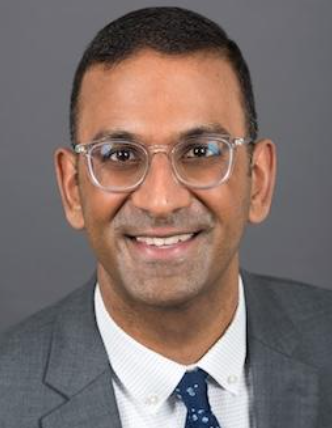
Vijay Sankaran, MD, PhD
Attending Physician, Dana-Farber/Boston Children's Cancer and Blood Disorders Center
Jan Elleen Paradise Professor of Pediatrics Harvard Medical School
Manton Center Endowed Scholar: Genetic Influences on Human Hematopoiesis
The Sankaran Laboratory uses human genetics to study hematopoiesis and how this process goes awry in human disease. As lead investigator, Dr. Sankaran is particularly interested in gaining molecular insights into how hematopoietic stem and progenitor cells are able to effectively produce mature blood and immune cells. In addition, his lab is interested in identifying opportunities to use the insights they gain from their studies to develop improved therapies for a variety of diseases, including sickle cell disease, thalassemia, Diamond-Blackfan anemia, aplastic anemia, myelodysplastic syndromes, myeloproliferative disorders, leukemia, polycythemia, and other illnesses impacted by blood and immune cells.
Vijay's projects integrate modern human genetic studies with functional studies, employing a variety of innovative genomic technologies and more traditional hematopoietic assays. Additionally, his lab develops genomic tools, including cellular barcoding approaches and single-cell technologies, to enable higher-resolution studies of human hematopoiesis in health and disease.