Manton Pilot Project and Junior Faculty Awards
2020-2022 Junior Faculty Career Development Award
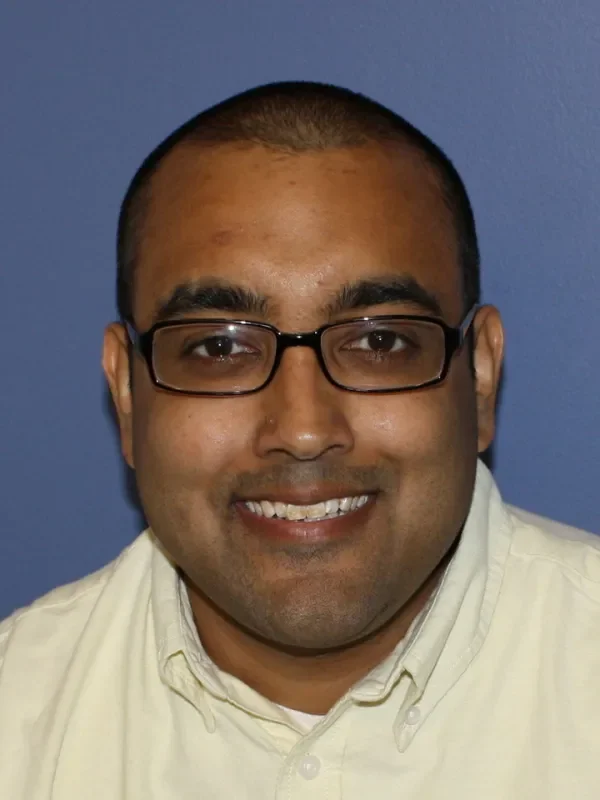
Amar Majmundar, MD, PhD
Project title: Delineating the pathogenesis of NOS1AP and TRIM8 mutations in monogenic nephrotic syndrome
Although a rare disease, steroid-resistant nephrotic syndrome (SRNS) is the second leading cause of chronic kidney disease in children. A genetic cause can be identified in 11-30 percent of cases. Despite this knowledge, children with genetic SRNS are resistant to all current therapies and invariably progress to end-stage renal disease, necessitating dialysis and renal transplant. Dr. Majmundar has discovered two novel genes causing SRNS. With these awards funds, he will employ cutting edge cell culture, proteomics and mouse model approaches to investigate the disease mechanisms underlying these genetic forms of SRNS, with the goal of constructing a molecular roadmap for therapy development.
2021 Pilot Project Awardees
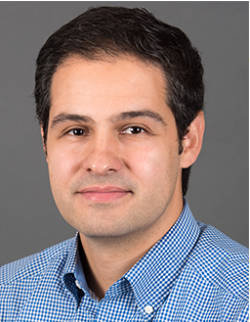
Darius Ebrahimi-Fakhari, MD, PhD and Mustafa Sahin, MD, PhD
Project title: Functional genomic screen in neuronal model of hereditary spastic paraplegia
Hereditary spastic paraplegia (HSP) is the most common cause of inherited spasticity and associated disability worldwide. Loss-of-function variants in the genes encoding the adaptor protein complex 4 (AP-4) lead to an ultrarare but prototypical form of HSP in children and can serve as a genetic model to understand the contributions of defective protein trafficking and autophagy to neurodegeneration. This project aims to use CRISPR-Cas9 and a unique human neuronal model of AP-4 deficiency to screen the effects of knockout of 8500 genes known to represent potential drug targets. The goal is to identify and characterize novel modulators of protein trafficking for the treatment of HSP.
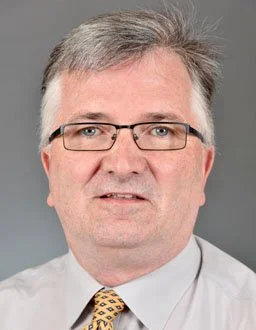
Olaf Bodamer, MD, PhD and Youngsook Lucy Jung, PhD
Project title: Characterizing chromatin modification in Kabuki syndrome
Kabuki Syndrome (KS) is a rare childhood disorder that affects multiple body systems and presents with a distinct physical appearance including a unique facial appearance, short stature, and skeletal abnormalities. It affects approximately 1 in 32,000 births and is incurable. The symptoms of KS vary widely and may include intellectual disability, weak muscle tone, hearing loss, and malformations of the heart, kidney, and gastrointestinal system, requiring care from many different health care specialists. KS is caused by genetic changes in one of two genes, KMT2D or KDM6A. Genes are regulated by their accessibility to binding factors, which may differ between tissue types and time points. This is achieved by packaging of genomic DNA into chromatin. Both KMT2D and KDM6A play crucial roles in this process. The aim of this project is to characterize chromatin changes driving KS using different tissue types of a mouse model and to examine the effects of these chromatin changes on organ development. The findings and datasets generated during this project will enable a better understanding of the disease mechanisms and help in the search for novel treatments for KS. Furthermore, the analysis framework can be applied to other rare childhood diseases.
Below are the past winners of The Manton Center’s Pilot Project Awards. Click on the names to learn more about their projects.
-
Heather Olson, MD, MS
Project title: Genetic variants in inflammatory epilepsy: Rasmussen Encephalitis and FIRES
Rasmussen Encephalitis (RE) and Febrile Infection Epilepsy Syndrome (FIRES) are two rare devastating disorders that occur in children resulting in a severe seizure disorder not responding to medications along with additional neurological deficits. Additional deficits may include learning and behavioral problems, muscle weakness, and swallowing or vision difficulties for example. The underlying cause for these disorders is unknown. This pilot study seeks to investigate underlying genetic causes for these two rare and severe disorders with inflammatory components. Understanding the underlying biology could lead to better treatments in the future.
Amy O'Connell, MD, PhD
Project title: T Cell Receptor Repertoire Sequencing Enhances Specificity of Newborn Screening for SCID in Premature Infants
Infants born prematurely have abnormal development of several organ systems, leading to orphan diseases of the eyes (retinopathy of prematurity), lungs (chronic lung disease), and other systems. Our research has shown that some premature infants may also develop a disease of their immune system, specifically impacting the development of their T cells. Some former premature babies have low numbers of T cells, but it’s hard to know if the function of the T cells is impaired because the traditional tests are not accurate in premature infants. For this pilot study, we will use a technique that assesses how many diverse T cell receptors are in a blood sample from these infants. If T cells are functioning normally, there will be a diverse set/repertoire of these receptors. This will help us to determine whether some premature infants have abnormal T cell development due to their prematurity. It may also improve newborn screening for another orphan disease, severe combined immunodeficiency (SCID), by giving us an easier way to check T cell activity during prematurity, as traditional tests often give false-positive results in premature infants.
Anne O'Donnell-Luria, MD, PhD
Project title: Investigating the contribution of non-coding genetic changes to unsolved cases
Despite improvements in our ability to read the human genome, our understanding of how changes in the genome impact human disease remains limited. For example, although we know that disease-causing genetic changes can be located throughout the genome, current genetic testing is largely limited to only 1% of the human genome, which is the portion that codes for proteins. By contrast, genetic changes in the other 99% of the genome that alter when and where these proteins are produced are routinely ignored during genetic testing due to our poor ability to interpret their functional impact. This limitation hampers our ability to diagnose and provide targeted therapies for our patients. In this proposal, we aim to improve the diagnosis of patients with rare disorders by leveraging a novel method that determines whether a genetic change alters when and where a protein is produced, thereby enabling the interpretation of genetic variants in the other 99% of the genome. We aim to evaluate nine cases that have been enrolled through the Manton Center using this approach to help identify any genetic alterations underlying their disease.
-
Pathogenic structural variant identification and splicing defect correction
Advances in next-generation sequencing have revolutionized the diagnosis of genetic diseases; however, there remains a significant fraction of genetic diseases that are not linked to causal mutations, in part because it is challenging to study some structural variants with current sequencing technologies and conventional analytical pipelines. This points to an urgent need for specialized variant calling tools, as well as long-read or linked-read sequencing approaches to elucidate the full spectrum of genomic variants. We propose to undertake an investigation of structural variants as underexplored sources of DNA variation that likely underlie a large portion of unresolved genetic cases. We will systematically identify pathogenic structural variants and characterize their effects on gene transcripts. This research will advance our understanding of the importance of structural variants as a mechanism underlying orphan diseases and will facilitate the development of novel diagnoses and therapeutics.
-
Translational Read-Through Inducing Drugs (TRIDS) to Treat Inherited Retinal Disorders (IRDs)
This project centers on utilizing read-through therapy to identify compounds that may affect inherited retinal disorders (IRDs), each of which is an orphan disease. Read-through is a gene-based therapeutic approach for hereditary diseases caused by premature termination codon (PTCs) mutations, based on the discovery that small molecules, known as TRIDs (translational read-through inducing drugs), enable the translation machinery to suppress a nonsense codon and extend the nascent peptide chain; consequently, these molecules contribute in the full-length protein synthesis. In collaboration with BCH Translational Lab, Dr. Ambrosio plans to create patient-specific cell lines — from skin-derived fibroblasts and EBV-transformed lymphoblastoid cells from peripheral blood mononuclear cells — of patients with the rare syndromic ciliopathy, Bardet Biedl syndrome (BBS), as well as healthy controls. These banked specimens will be the cellular material to test several TRIDs she has selected. After treatment with TRIDs, mRNA, proteins, and a specific functional assay for markers for cilia will be evaluated. The results in BBS subjects and controls will be compared to demonstrate a successful read-through process as restoration of the proteins’ transcription.
-
Neurological Disorders in Children
The cerebellum is a part of the brain that controls our motor system to allow precise, coordinated movements. It is also implicated in cognitive functions. Disorders of the cerebellum often present with a severe motor disability and can be accompanied by intellectual disability, thus putting significant burden on the affected individuals and their families. There are many genetic conditions that affect the normal development of the cerebellum, but many of the causative genes remain unidentified. This proposed research project aims to further our ongoing effort of identifying novel genes that cause malformations of the cerebellum when mutated. We will enroll individuals and families with cerebellar malformations, and sequence their genome using high-throughput DNA sequencing. Once we identify a causative gene mutation, we aim to generate induced pluripotent stem cells (iPSCs) from the affected individual’s blood cells. Despite originating from non-neuronal cells, iPSCs have the capacity to differentiate into neurons, and thus allow us to study neuronal cells from the individuals with a mutation of interest. We propose to study how these cells with a particular mutation proliferate and express different sets of genes, compared to normal cells. We expect that this study will result in accurate genetic diagnoses in many more children with cerebellar malformations, leading to improved genetic counseling for their families. In addition, we envision an expanded understanding of the biological mechanisms of these disorders, and, ultimately, pathways to novel therapeutic strategies.
-
Investigating a Novel Method for Diagnosing Moyamoya and Other Cerebrovascular/Neurosurgical Disease
Moyamoya is a rare condition that causes stroke, affecting about 1/1,000,000 people in the US. Major blood vessels, the internal carotid arteries, narrow over time, leading to reduced blood flow to the brain. Ultimately, if untreated, this narrowing results in stroke and death (in 66-90% of patients within 5 years). While surgery can markedly reduce this risk (down to -4%), there are a number of problems that clinicians face that markedly limit their ability to effectively treat patients. First, it can be difficult to detect advanced moyamoya before a stroke occurs. Second, moyamoya is found in several different populations, sometimes alone as the only problem (moyamoya disease) and sometimes in association with other medical conditions (moyamoya syndrome). It is unclear if these different populations manifest varying severity of disease or respond differently to treatments. Third, the increasing use of brain imaging studies has also led to the situations where the diagnosis of moyamoya is not clear, or when the disease is very early and asymptomatic, making decisions about treatment complicated. Clinicians need better tools to identify when moyamoya is present and to help guide decisions about therapy. This project hypothesizes that there is a common process that is shared by all types of moyamoya - the recruitment and growth of new blood vessels in response to the brain being starved of blood supply- and that this process is regulated by a critical molecule, netrin-1. Netrin-1 is a secreted protein originally discovered in the developing brain, which exerts its effects through a specific panel of effector molecules. We propose that these molecules can be detected noninvasively in the urine and used as biomarkers. Our experiments aim to demonstrate how these urinary biomarkers can be used as a novel method to improve the diagnosis, prognosis and therapy of patients with moyamoya.
-
Venous Malformation (VM): Murine Model to Identify Therapies to Target Aberrant Venous Development
Venous malformation (VM) is the most frequent malformation referred to specialized vascular anomaly centers. VMs appear in children and are often problematic and disfiguring. VM lesions are composed by widened, abnormally shaped veins. No targeted therapies are available, and treatments for VM are very limited, including only sclerotherapy and reconstructive surgery. After treatment, lesions often recur. This project proposes the establishment of a murine VM model that will help us determine the mechanisms of abnormal venous channel formation. Our end-goal is to test and discover novel efficient treatments to normalize the pathological VM vasculature and avoid a rebound of the disease.
-
The Role of Transferrin 1 in Lymphocyte Activation and Serologic Memory
An intact immune system depends on molecular signals between and within immune cells to effectively protect the host from infections. Human immunodeficiencies are disorders in which the immune system is unable to respond appropriately to infectious agents or vaccines, leading to recurrent infections that can be fatal. We have identified the first human immunodeficiency caused by a mutation in the gene encoding transferrin receptor 1 (TfR1), a receptor known to be important for importing iron into cells. Patients with this mutation have recurrent infections in the sinuses and lung and are unable to form a long-lasting immune response. We are able to correct some, but not all, of the immune defects by adding a cell-permeable form of iron to bypass the defective TfR1. This suggests that TfR1 has another role in the immune system other than iron import. Therefore, we propose a novel model of TfR1 function as a receptor with dual roles in activating immune cells: iron import and molecular signaling. We will make a mouse model of this disease to investigate the specific defects leading to this immunodeficiency. These studies will identify how this mutation in TfR1 causes this disease and demonstrate how TfR1 is important for the formation of a normal immune response. In determining the contribution of TfR1 to a normal immune response, these studies may identify new approaches for vaccine development.
-
WNK1/HSN2: A Novel Kinase Regulator of Sensory Transduction Mutated in an Orphan Disease Featuring Congenital Insensitivity to Pain and Temperature
The serine-threonine kinase WNK1 is unique in that mutations in two different isoforms of its encoding gene (PRKWNK1) cause separate orphan diseases, underscoring the critical and diverse role of this gene for human physiology1. A decade ago, mutations in the isoform of WNK1 predominantly expressed in kidney were detected in a rare inherited form of salt-sensitive hypertension called pseudohypoaldosteronism type 2 (PHA2). The molecular characterization of this disease made possible by study of a mouse model of the disease provided insight into the function of WNK1, helped improve the diagnosis and treatment of patients with PHA2, and also identified WNK1 as a novel potential target for the development of a novel class of antihypertensive drugs for the general population. Recently, mutations in a different isoform of WNK1 (termed “WNK1/HSN2”) have been detected in another orphan disease, hereditary sensory and autonomic neuropathy type 2 (HSAN2). This disease is a devastating neuropathy with early childhood onset, characterized by a progressively-reduced sensation to pain, temperature, and touch, leading to ulcerations of the hands/feet that often require amputations5. Currently, the pathogenesis of HSAN2 is unknown and there is no cure. Interestingly, WNK1/HSN2 is expressed exclusively in the spinal cord and peripheral nervous system; however, the upstream regulators, downstream molecular targets, and the mechanism by which mutations in WNK1/HSN2 cause disease all remain unknown. A mouse model of HSAN2 harboring disease-causing mutations in WNK1/HSN2 would be a valuable tool to test different models of disease pathogenesis, as well as to evaluate future therapies. We now have such a model and wish to characterize it in detail using a battery of histopathological, neurobehavioral, and electrophysiological assays in an effort to develop a mouse model of HSAN2. We anticipate this work will shed light into the normal function of WNK1/HSN2 and help define the molecular pathogenesis of HSAN2 to provide a basis for rational therapeutic intervention. Moreover, insights from these studies may benefit other more common neuropathies with similar characteristics as HSAN2, such as diabetic, HIV- and Hepatitis C-related neuropathies, as well as other complex pain syndromes.
-
From Molecular Mechanism of RAG1 Mediated Primary Immunodeficiency to Gene Correction
Primary immunodeficiency (PID) include a group of genetic diseases that affect development and function of the immune system. In particular, defects in the RAG genes cause some of the most severe forms of PIDs, with recurrent and severe infections and failure to thrive. Milder forms of the disease may present with autoimmunity and organ damage that dramatically reduce the quality of life and reduce life span. We will use a novel assay to investigate the cellular and molecular bases that account for the variable clinical presentation of RAG deficiency. Treatment of RAG deficiency is based on bone marrow transplantation, but mortality and long-term complications remain a significant problem. Gene therapy has been successfully used to treat some severe forms of PID, however leukemia has been observed in several patients as the result of insertion of the normal gene in dangerous areas of the genome. We will use cellular models of human RAG1 deficiency to investigate the ability of engineered proteins to specifically target the RAG1 gene and permit correction of the gene error. If successful, this will represent an important step toward the development of a customized therapy for severe forms of PID.
-
Rescue of Inner Function in Mouse Models of Usher Syndrome
Usher syndrome (USH) is a devastating incurable rare genetic disorder which leads to deafness and blindness. Three clinical subtypes have been described (type 1, 2 and 3). USH1 is the most severe form with profound deafness and balance deficits at birth and progressive vision loss leading to pre-pubertal blindness. USH1 includes a family of five genes that interact and play important functional roles in the sensory cells of the inner ear and the eye. One of the central players, USH1C encodes a protein called Harmonin, which is located in the sound and balance sensing structures of inner ear sensory cells. For this project I will begin to develop treatment strategies for Usher syndrome. I will use deaf and blind mice that carry that same harmonin mutation found in a large family of USH1C patients. Using a gene therapy approach, I propose to repair the sensory cells of the inner ear by introducing the correct DNA sequence for harmonin. Initially, I will examine the ability of the gene therapy approach to restore sound and balance sensitivity at the cellular level. If successful, I will introduce the gene therapeutics into live mice and attempt to restore hearing and balance function in deaf and dizzy mice.
-
Therapeutic Drug Discovery using Fish Models of Muscular Dystrophies
The muscular dystrophies are a heterogeneous group of genetic disorders for which there are now emerging therapies. Despite these advances, there are only a few small molecules that can modify muscle disease. Zebrafish represent an excellent model in which to test for small molecules that can alter disease progression in a live organism. Our laboratory and collaborators have some excellent fish models of the human muscular dystrophies. Each fish has clear muscle phenotype due to a gene mutation in a muscle membrane protein, a muscle extracellular matrix and a muscle intracellular protein. 1) Sapje and sapje-like fish are the model fish of DMD with a mutation in the dystrophin gene 2) Dystroglycan deficient fish are a model fish for dystroglynopathies. Dystroglycan is a muscle membrane protein consisting of α- and β-dystroglycan, which interacts with dystrophin and extracellular laminin 3) Laminin α2 mutant fish are a model fish for congenital muscular dystrophy 1A (MDC1A). The laminin α2 gene is expressed in the basement membrane of skeletal muscle and has been shown to bind to α-dystroglycan. We have already successfully screened three libraries using two DMD model fish, sapje and sapje-like fish. Through this chemical screen, we have identified 14 candidate chemicals that demonstrated an ability to partly restore muscle to normal. The goal of this proposal is to test these potentially therapeutic small molecules already approved for use in humans to determine if any can ameliorate muscle degeneration in zebrafish models of human muscular dystrophy. We will also use each two additional model zebrafish to look for new small molecules which might be corrective.
-
Molecular and Proteomic Analysis of Immune Reconstitution After Gene Therapy for Wiskott-Aldrich
Wiskott-Aldrich syndrome (WAS) is a rare disease which affects boys from birth. The gene responsible for WAS causes defects in many different blood cell types. Boys with WAS suffer from low platelets predisposing them to life-threatening bleeding, immune problems predisposing them to serious infections, and autoimmune disease such as immune attack on blood cells, inflammatory bowel disease, and vasculitis. Because the blood cells are the only part of the body affected by WAS, the disease can be cured by bone marrow or other blood cell transplantation (also called hematopoietic cell transplantation or HCT). HCT is best performed with a well-matched donor, but many boys with WAS lack a well-matched donor. In addition, HCT can result in serious complications, such as graft-versus-host disease (GVHD), a syndrome in which the immune cells from the donor attack the patient’s body. As many as 25-50 percent of boys with WAS undergoing HCT will not survive. We have opened a gene therapy (GT) trial to treat 5 boys with WAS who lack a well-matched donor or have other high-risk features. The patient’s own bone marrow will be treated with a specially engineered virus to insert the normal WAS gene into a part of the bone marrow cells. The “gene corrected” bone marrow cells are given back to the patient; in this way even a patient who doesn’t have a matched donor can have a transplant, using his own cells, and avoiding GVHD. While avoiding GVHD is a clear advantage of GT, GT could have disadvantages compared to allo-HCT. Because the virus can only correct a portion of the bone marrow cells, WAS patients after GT will inevitably have a mixture of normal and abnormal blood cells after the procedure, whereas most WAS patients after allo-HCT have 80-100% of donor-derived, normal blood cells. Whether a partial correction of blood cells will be enough to keep the WAS patient safe from life-threatening infection or autoimmunity is not known. We wish to take extra blood samples from the 5 patients to be enrolled on the WAS GT trial and use these to do detailed, cutting edge immune analysis, comparing to blood samples from 5 WAS allo-HCT patients. These studies will allow us to learn which blood cell types have improved number and function after GT as well as the quality and timing of that improvement. Ultimately we hope to understand whether GT is effective as a treatment compared to allo-HCT and why it is or is not.
-
Gene-therapy for Sickle Cells Anemia and Thalassemia: A Translational Study
Disorders caused by abnormal hemoglobin, the protein responsible for oxygen transport in the body, represent a major health challenge. In fact, humans with disorders like sickle cell anemia suffer from considerable reduction in their quality of life and global life expectancy. Currently, no cure exists for patients with these disorders outside of bone marrow transplantation, which can cause severe side-effects and is responsible for a high mortality risk. With our study, we will investigate whether we can increase the presence of fetal hemoglobin (called gamma-globin), which usually is present in prenatal life, and decrease the abnormal hemoglobin concentration by acting on a protein called BCL11A. This protein has been involved in the switching from the prenatal (gamma-) globin to adult-life (beta-) globin. We will influence BCL11A levels by using gene therapy. We seek to determine whether this intervention causes the desired globin switch without significant toxicity to cells. Gene-therapy could be an innovative way to cure children and adults with abnormal hemoglobins, and constitute a model for other rare and orphan diseases.
-
Vascular Dissection of TSC/LAM Progression in a Zebrafish Model
Tuberous Sclerosis Complex, TSC, is a rare hereditary disease that can be diagnosed in utero or at infancy due to mutations in 2 genes (TSC1, TSC2) that function together. TSC children have multiple system defects including neurological disorders and predisposition to a number of benign tumors as they age. Among these tumors is a rare kidney tumor found in TSC children at about 5 to 6 years of age. In the general population, these tumors occur at about 58 years of age. A major complication is that these tumors are highly vascularized and can rupture. However, early removal of the tumors will also remove kidney function so that young children would need dialysis or kidney transplants. Recently, mutations in the same genes were found in another rare disease called LAM, where young women are mostly affected. They are diagnosed from reduced lung function but also frequently have the same benign kidney tumors as TSC children. One common aspect of these 2 diseases is that the mutations in these Tsc1/2 genes lead to overactive mTOR kinase activity affecting many cell types. My hypothesis for this study is that these mutations also increase the levels of the vascular endothelial growth factor, a robust stimulator of blood vessel formation. Through this common ability to increase nutrient and oxygen to benign tumors, these tumors continue to enlarge and threaten organ function. This proposal uses the zebrafish as a model system to investigate these ideas. The zebrafish embryo is transparent and blood vessels can be clearly visualized. By altering the levels of mTOR kinase activity and VEGF levels, we hope to further our understanding of the mechanisms common to both TSC and LAM and provide insights into potential earlier intervention.
-
Modeling Syndromic Hepatoblastoma
The pediatric liver tumor hepatoblastoma occurs in three rare syndromes afflicting children, and the tumors have been associated with the corresponding genetic and epigenetic lesions. Namely, Wnt pathway activation in Gardener’s Syndrome, loss of imprinting (LOI) and/or loss of heterozygosity (LOH) at 11p15 in Beckwith-Weideman Syndrome (BWS), and p53 LOH in Li-Fraumeni Syndrome have all been associated with hepatoblastomas. Based on gene expression profiling and histopathology, distinct clinical subtypes of hepatoblastoma have been reported. While prognosis following surgical resection and chemotherapy is curative for certain patients, relapsing disease is poorly managed for those patients with residual disease. The current leading hypothesis is that the relapsing disease relates to the combination of mutations and/or the cell of origin of the incipient mutations. We propose to test this hypothesis by using a combination of epigenomic profiling of human tumors, and developmental genetic analysis in a mouse model. Our approach will generate new animal models using combinations of mutations that occur in the three rare syndromes using conditional mouse genetics and customized mouse embryonic stem cell modeling. Current mouse models for hepatoblastoma rely on chemical induction, or forced overexpression of oncogenes that have not been directly associated with hepatoblastoma. Therefore, a more precise animal model is needed to faithfully recapitulate the genetic and epigenetic lesions found in relapsing tumors. Because our knowledge of the genetic and epigenomic lesions of these rare tumors has focused solely on these three known pathways, we will take a sequence-based approach to determine DNA methylation genome-wide in tumors. This study will also leverage a Department of Pathology effort to characterize novel mutations using a mutational hotspot screen, "OncoMap." Together, these approaches will define new molecular characteristics of hepatoblastoma, and assess the developmental consequences of the three primary causative mutations on hepatic differentiation and tumorigenesis.
-
Development of a Molecular and Genetic Model for Metachondromatosis
Cartilage tumor syndromes are rare skeletal diseases marked by the development of multiple benign cartilaginous bone tumors in childhood, often carrying significant morbidity and risk of developing chondrosarcoma. Tumors can form on the surface of bones, as in the autosomal dominant multiple osteochondroma syndrome (MO), or within the bones, as in the nonhereditary Ollier and Maffucci syndromes. A very rare autosomal dominant syndrome, metachondromatosis (MC), forms both surface and intramedullary tumors. The cartilage tumors in these syndromes develop adjacent to joints and are believed to result from mutations in signaling pathways regulating the growth plate. Only the genetics of MO were previously known, and the cell(s) of origin and mechanism of tumorigenesis for all of these syndromes remains unknown. We have recently identified heterozygous loss-of-function (nonsense, frameshift, splice) mutations of PTPN11 in 10 of 19 families with MC using linkage analysis combined with multiplexed targeted genomic capture and sequencing. PTPN11 encodes SHP2, a protein tyrosine phosphatase important in receptor tyrosine kinase signaling. Preliminary experiments suggest that truncated mutant peptides are not produced, and that loss of the wild-type allele may be required for tumor formation. The proposed research will create a molecular and genetic model for MC, demonstrating the genetic requirements for tumor formation, the molecular signaling events of tumorigenesis, and the cellular source of these tumors. Research will be conducted on tumors excised in MC patients, although the foundation will be the generation of several informative mouse models. Studies of MC will likely yield new understandings of skeletal growth and regulation that will be important for skeletal dysplasia and tumor research. Ultimately, a key signaling pathway may be identified that can be pharmacologically manipulated to biologically control tumors, sparing MC patients recurrent surgeries, disabilities, and the risk of developing chondrosarcomas.
-
Role of RNA Regulatory Networks in Tuberous Sclerosis
Tuberous sclerosis complex (TSC) is a rare genetic disease that causes epilepsy, mental retardation, autism and benign tumors throughout the body. One of the major cellular functions of the TSC1/TSC2 complex is to limit protein synthesis and regulate cell size by inhibiting the mammalian target of rapamycin (mTOR) pathway. Using mouse models and neuronal cultures, we have shown that the Tsc1 and Tsc2 genes play crucial roles in axon specification, guidance and myelination (Choi et al, Genes Dev 08; Nie et al., Nat Neurosci 10; Meikle et al., J Neurosci 08). Furthermore, we have demonstrated that TSC patients have abnormalities in white matter connectivity similar to that we detect in Tsc-deficient mouse models (Krishnan et al., Pediatr Neurol 10). While we have made significant progress in understanding the role of TSC/mTOR pathway in neurons, the molecular mechanisms by which TSC/mTOR regulate neuronal structure and function still remain largely unclear. We have recently started to investigate the relationship between the TSC/mTOR pathway and another cellular mechanism that regulates protein synthesis: miRNAs. Their role at synapses, ability to modulate large number of genes and modify pathogenesis of single gene defects all raise the intriguing possibility that miRNAs may play a role in the pathogenesis of neurodevelopmental disorders. In our preliminary data, we started to examine miRNA profiles in Tsc-deficient neurons and found that the expression of two microRNAs increased when Tsc2 is knocked down. Here we propose to investigate further the role of miRNAs in TSC. We have two specific aims: 1. To identify and characterize microRNAs regulated by TSC/mTOR pathway in rodent neurons, and 2. To test whether the changes in the expression of miRNAs are found in TSC patient peripheral blood samples. Beyond, providing insight into the pathophysiology of tuberous sclerosis, our experiments may also have implications for other diseases in which mTOR pathway is hyperactive such as FXS, PTEN hamartoma syndrome, and neurofibromatosis as well as non-syndromic neurodevelopmental disorders.
-
Modeling Congenital Bone Marrow Failure Syndromes Using Pluirpotent Stem Cells
Certain genetic disorders cause widespread disease in the body, but the principle reason for illness and death in early childhood is failure of the blood system. We would like to study these genetic blood disorders by “turning back the clock” – using new technology in stem cell biology to take skin cells from patients with genetic blood disorders and return them to an embryonic-like state, wherein they regain the ability to form any type of cell in the body. We believe that studying this process of going back to an embryonic-like state, and then seeing how the cells develop into different tissues (blood cells, muscle, nerves, etc.), will lead to a better understanding of what is going wrong in cells carrying these disease-causing mutations. We hope that the knowledge gained through this work will provide innovative therapies – using novel medications or perhaps even one’s own cells - for patients with genetic blood disorders, and will help develop similar strategies for patients with other rare disorders.
-
Vascular Dissection of TSC/LAM Progression in Zebrafish Model
Tuberous Sclerosis Complex, TSC, is a rare hereditary disease that can be diagnosed in utero or at infancy due to mutations in 2 genes (TSC1, TSC2) that function together. TSC children have multiple system defects including neurological disorders and predisposition to a number of benign tumors as they age. Among these tumors is a rare kidney tumor found in TSC children at about 5 to 6 years of age. In the general population, these tumors occur at about 58 years of age. A major complication is that these tumors are highly vascularized and can rupture. However, early removal of the tumors will also remove kidney function so that young children would need dialysis or kidney transplants. Recently, mutations in the same genes were found in another rare disease called LAM, where young women are mostly affected. They are diagnosed from reduced lung function but also frequently have the same benign kidney tumors as TSC children. One common aspect of these 2 diseases is that the mutations in these Tsc1/Tsc 2 genes lead to overactive mTOR kinase activity affecting many cell types. The hypothesis for this study is that these mutations also increase the levels of the vascular endothelial growth factor, a robust stimulator of blood vessel formation. Through this common ability to increase nutrient and oxygen to benign tumors, these tumors continue to enlarge and threaten organ function. This proposal uses the zebrafish as a model system to investigate these ideas. The zebrafish embryo is transparent and blood vessels can be clearly visualized. By altering the levels of mTOR kinase activity and VEGF levels, we hope to further our understanding of the mechanisms common to both TSC and LAM and provide insights into potential earlier intervention.
-
Molecular Genetics of Congenital Siberoblastic Anemia
The body uses iron largely to make heme, the molecule in hemoglobin in red blood cells (RBCs) that binds oxygen, and delivers it to the tissues. Heme synthesis occurs, in part, in the mitochondrial compartment within the cell. In a rare group of inherited disorders called congenital sideroblastic anemias (CSAs), iron precipitates in mitochondria, impairing RBC production. Sometimes, the defect that leads to this abnormality is a mutation in a protein involved in the synthesis of heme, but in more than 40% of cases of CSA, the genetic basis of the disorder is unknown. Consequently, many patients that might benefit from therapies tailored to the genetic cause of the disease are not afforded this possibility. The primary aim of this proposal is to identify novel causes of CSA by applying molecular genetic techniques a large repository of CSA patient DNA.
-
WT1 Gene Target Discovery in FSGS
Focal Segmental Glomerulosclerosis (FSGS) is a severe condition leading to End Stage Renal Disease (ESRD), a condition in which an individual becomes dependent on dialysis or a kidney transplant, both of which are imperfect solutions accompanied by significant morbidity and mortality. The overall prevalence in the United States is estimated to be about 70,000 individuals, and there are approximately 20,000 people with ESRD due to FSGS. These include children and adults. Finding new treatments for FSGS is generally recognized as one the great challenges in medicine. Our studies are aimed at understanding the how kidney damage occurs in FSGS, with the ultimate goal that this research will translate into new treatments that prevent irreversible damage to kidneys and avoid the progression to dialysis and transplantation.
-
Characterizing the Cellular Function of Cerebral Cavernous Malformation Associated Genes
Cerebral Cavernous Malformations (CCMs) are vascular lesions that originate in the central nervous system. They appear as tangles of malformed blood vessels located in the brain and/or spinal cord. This collection of dilated, irregularly shaped small blood vessels (capillaries) often exhibits a characteristic honeycomb-like pattern. Although most are asymptomatic until the second or third decade of life they may also be detected in children where they can have devastating clinical consequences. Because of the dramatic dilation of the blood vessels within the lesion, the walls of the vessels are weak and also lack supporting tissue. For this reason, they are prone to bleeding and when observed under a microscope appear as large, blood-filled caverns (for this reason, are also called cavernomas or cavernous angiomas). Unlike an aneurysm which is characterized by sudden rupture and acute clinical impact, the characteristic feature of a CCM is slow bleeding or oozing. Greater than 30% of patients with these lesions eventually develop symptoms which can range from seizures or hemorrhagic stroke to severe neurologic deficit. Mutations in three genes have been associated with this disease through the study of inherited forms. The Mably laboratory uses zebrafish to model human cardiovascular disease and I have identified and characterized zebrafish mutants with defects in two of these CCM genes (CCM1 and CCM2 respectively, in zebrafish). Additionally, through analysis of a third zebrafish mutant with an indistinguishable phenotype, Dr. Mably has identified the gene, a transmembrane molecule that is a novel component of the CCM pathway. The Mably Lab will use the zebrafish models to characterize the cellular functions of these proteins. Additionally, they will identify molecules downstream of the Heg protein that are involved in the formation of the CCM defects in the zebrafish models. This approach will help identify new targets for non-surgical therapies for CCM.
-
Identification and Characterization of Novel Genes in Left Sided Congenital Heart Disease
A significant proportion of heart malformations in children are due to a genetic cause. We are only beginning to uncover what those genetic causes are. One form of heart malformation that affects the left side of the heart is often seen more than once in a family with a range of seriousness from mild to lethal without surgical intervention. Although all of us have repetition in our DNA that does not cause disease, occasionally duplications of genetic material can cause medical problems. There are two cases at our institution of children with a left sided heart malformation who have a genetic duplication (extra genetic material) that we believe caused their heart defect. There are dozens of genes within each duplicated region and we believe that several of these genes must be important for the normal development of the heart. We will study heart tissue from children with left sided heart defects to see if any of the genes in these two regions are more or less expressed when compared to healthy cardiac tissue. We will determine if mutations in the genes that are different in their expression in children with heart malformations can cause heart disease in a larger group of children born with a heart problem. It is our hope that by better understanding the genetic causes of heart malformations, there will be improved diagnostics, treatments, and disease management with the ultimate goal of preventing the heart abnormalities in the first place.